Infrared Sauna, Cryochamber & Thermal Contrast Therapies
“Give me the power to create fever, and I will cure any disease… for in the balance of heat and cold, the body finds its way to resilience and harmony.”
– Hippocrates
The practice of Thermal Contrast Therapy has deep roots across cultures—from ancient Greek and Roman baths to Finnish saunas and Japanese hot springs. It’s no wonder these practices endure- they feel great. Most people who try Thermal Contrast Therapy are surprised by the intensity and immediacy of the effect.
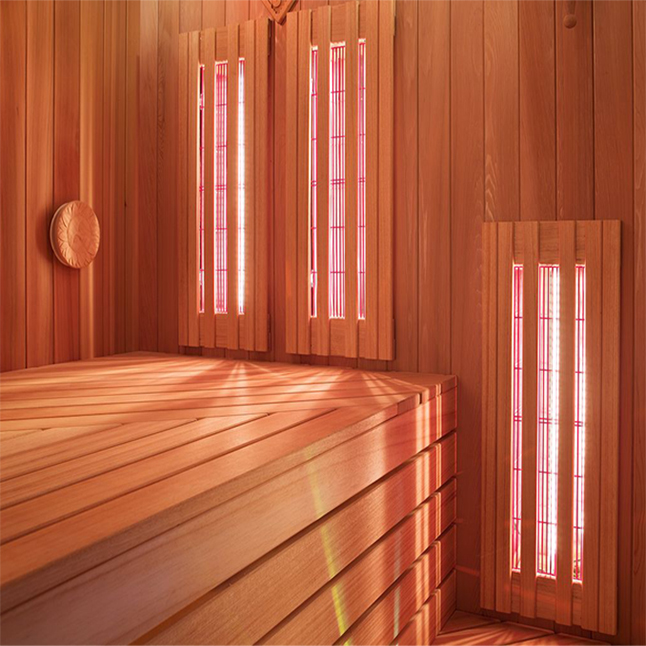
Infrared heat saunas are cooler than traditional saunas, allowing people to stay in for a bit longer. Their gentle heat dilates blood vessels while boosting circulation, relaxing muscles, and releasing endorphins that lift mood and reduce stress. Cold exposure, in contrast, triggers vasoconstriction, reducing inflammation while releasing adrenaline and norepinephrine, which sharpen focus and elevate energy. The back-and-forth between these extremes stimulates circulation, aids detoxification, and improves cellular oxygenation.
Thermal Contrast Therapy has a distinct impact on mental health by balancing the nervous system. Alternating hot and cold encourages resilience to stress as the body adapts to rapid changes, promoting mental clarity, mood stability, and stress relief. The intense sensations of heat and cold also foster a state of mindfulness, helping individuals reconnect mind and body. This ancient practice, now backed by science, offers a holistic and powerful approach to modern wellness.
Infrared Saunas
Infrared saunas use gentle heat to penetrate the skin, improving circulation, relaxing muscles, and reducing inflammation. Unlike traditional saunas, infrared heat operates at a lower temperature, making it more comfortable while still inducing a deep sweat that aids in detoxification and cardiovascular health. The warmth also prompts endorphin release, which boosts mood, reduces stress, and offers significant mental health benefits.
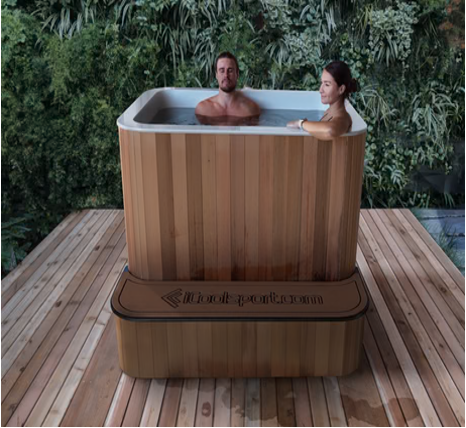
When paired with cryotherapy, the contrast amplifies these effects. Shifting between hot and cold further enhances circulation, balances the nervous system, and deepens relaxation, supporting resilience, mental clarity, and overall well-being.
We are compiling a library of peer-reviewed research relevant to the tools and techniques being used at PHC. Feel free to send others our way!